
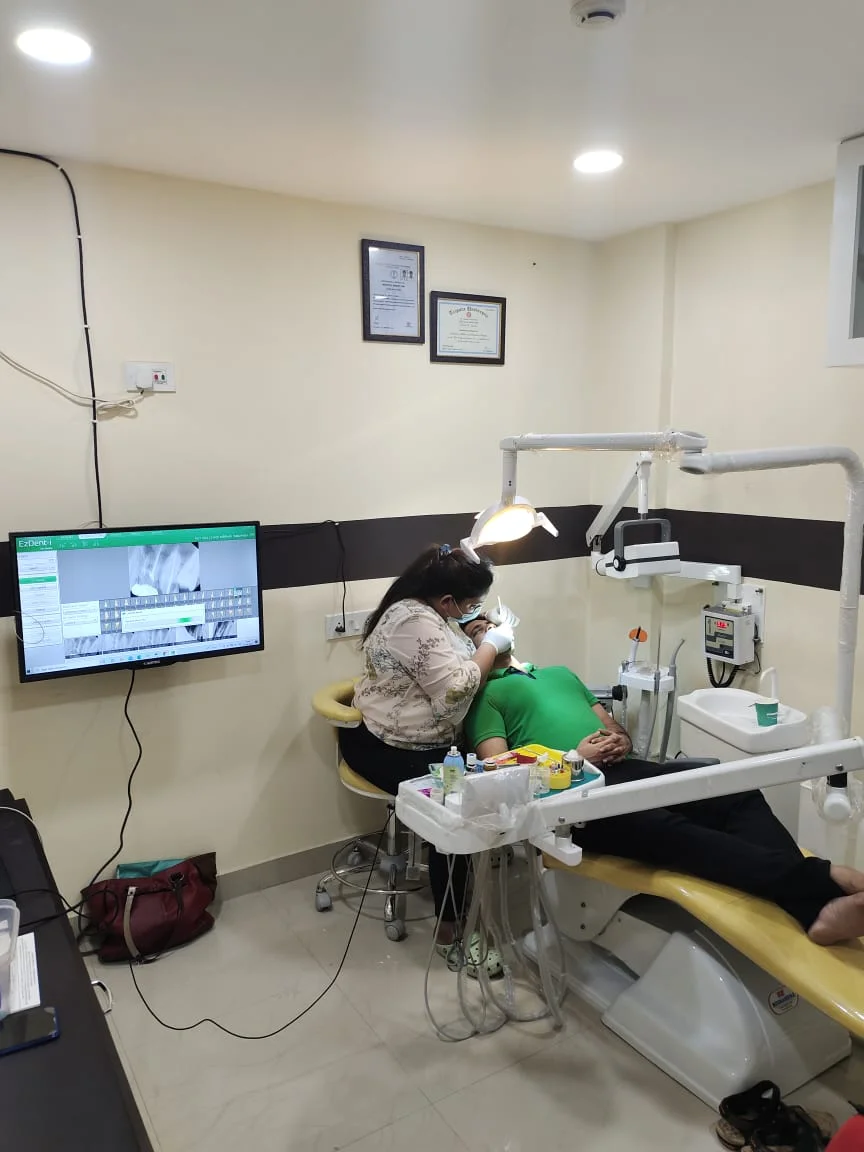




Dental implants are prosthetic devices used in dentistry to replace missing teeth. They serve as artificial tooth roots, providing a stable foundation for replacement teeth or dental crowns. Dental implants are typically made of titanium, a biocompatible material that integrates with the jawbone through a process called osseointegration.
Dental implants offer several advantages, including improved stability, durability, and a natural appearance. They also help prevent bone loss in the jaw, which can occur when teeth are missing. Dental implants are a long-lasting and effective solution for replacing one or more missing teeth, restoring both the aesthetics and functionality of the smile.
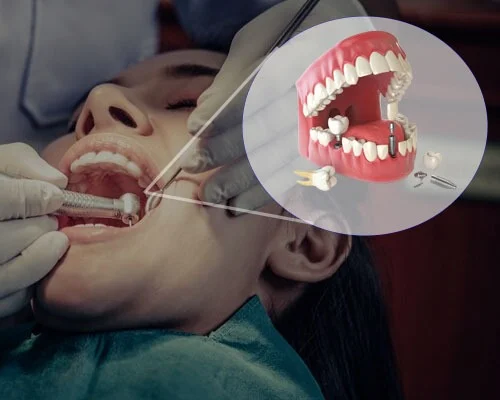
There are several types of dental implant treatments, each designed to address specific dental needs. Here are common types of dental implant treatments.

In cases of a single missing tooth, a dental implant is placed in the gap, topped with a custom crown, providing a natural-looking and functional replacement.

When multiple adjacent teeth are missing, an implant-supported bridge is used. The bridge is secured to dental implants on either side of the gap.

For individuals missing a full arch of teeth, implant-supported dentures provide a stable and secure solution. Dental implants anchor the dentures, preventing slipping and enhancing stability

This technique involves placing four or six dental implants strategically in the jaw to support a full set of fixed artificial teeth. It's a popular option for those seeking a more permanent alternative to removable dentures.

Smaller in diameter than traditional implants, mini implants are often used in cases with limited bone volume. They are suitable for securing dentures or as an alternative in situations where larger implants may not be feasible.

Zygomatic implants are longer implants that anchor into the cheekbone (zygoma) when there is insufficient bone in the upper jaw. They are an alternative for individuals who may not be suitable candidates for traditional implants due to bone loss.
The dental implant procedure is a meticulous and staged process that requires collaboration between the patient and the dental team. While the timeline can vary based on individual factors such as healing speed and specific treatment needs, the result is a durable and natural-looking replacement for missing teeth. The dental implant procedure typically involves several steps:

During the initial consultation, the dentist assesses the patient’s oral health, takes X-rays, and discusses the feasibility of dental implants. A treatment plan is developed based on the patient’s specific needs.

During the initial consultation, the dentist assesses the patient’s oral health, takes X-rays, and discusses the feasibility of dental implants. A treatment plan is developed based on the patient’s specific needs.

During the initial consultation, the dentist assesses the patient’s oral health, takes X-rays, and discusses the feasibility of dental implants. A treatment plan is developed based on the patient’s specific needs.

During the initial consultation, the dentist assesses the patient’s oral health, takes X-rays, and discusses the feasibility of dental implants. A treatment plan is developed based on the patient’s specific needs.

During the initial consultation, the dentist assesses the patient’s oral health, takes X-rays, and discusses the feasibility of dental implants. A treatment plan is developed based on the patient’s specific needs.
These FAQs offer insights into the world of dental implants, addressing common concerns and providing valuable information for individuals considering this transformative dental solution. For personalized guidance, consult with a qualified dental professional.
Dental implants are artificial tooth roots made of titanium, surgically placed into the jawbone. They provide a stable foundation for replacement teeth, enhancing both function and aesthetics.
Most individuals with good oral health and adequate bone density are candidates for dental implants. A thorough consultation with a dentist helps determine suitability based on individual factors.
Local anesthesia is used during the implant surgery, ensuring minimal discomfort. Patients may experience some soreness afterward, which can be managed with prescribed medications.
While complications are rare, risks may include infection, implant failure, or damage to surrounding structures. These concerns are minimized through careful planning and professional expertise.
The timeline varies but generally spans a few months. It includes the initial consultation, implant placement, healing period, abutment attachment, and the final placement of the prosthetic tooth.
Dental implants require regular oral hygiene practices, including brushing, flossing, and routine dental check-ups. No additional special care is needed beyond what is recommended for natural teeth.